
Energy independence is becoming a priority for many homeowners across Mohave County. With abundant sunshine, rising electricity costs, and occasional grid outages caused by storms or infrastructure issues, more residents are exploring ways to get more value from their solar investment. One of the most effective ways to do that is by adding battery storage.
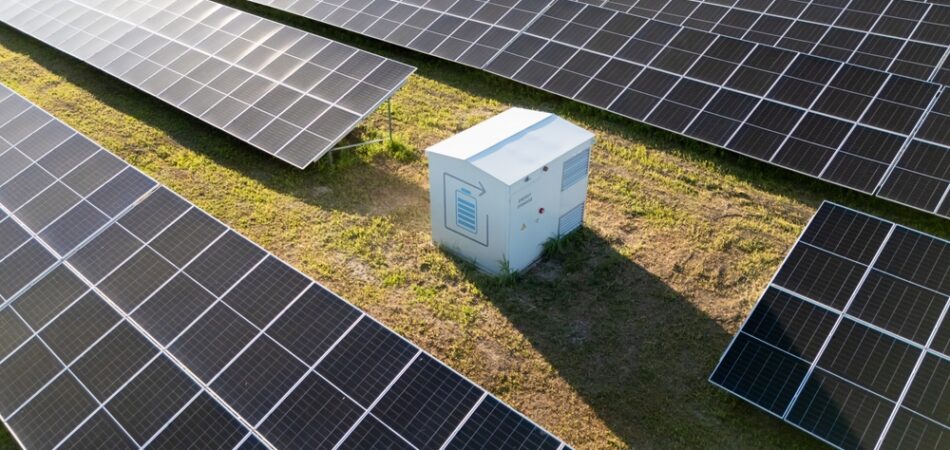
Solar battery storage allows your home to store excess electricity generated during the day so you can use it later, including at night or during a power outage. Instead of sending all unused solar energy back to the grid, batteries give homeowners greater control over how and when they use the electricity their system produces.
What Local Readers Should Know
- Solar batteries store extra energy produced by your solar panels so it can be used when the sun is not shining.
- Homeowners in Lake Havasu City and throughout Mohave County can benefit from battery storage during power outages and periods of high electricity demand.
- Battery systems automatically communicate with your solar panels and home’s electrical system to manage energy efficiently.
- Adding storage may increase your home’s energy independence while helping reduce reliance on the electrical grid.
- Arizona’s abundant sunshine creates excellent conditions for maximizing the value of a solar battery system.
Why Solar Battery Storage Matters in Mohave County
Solar battery storage is especially valuable in Mohave County because it helps homeowners make better use of the region’s abundant sunshine while providing backup power during grid interruptions.
Residents across Lake Havasu City, Bullhead City, Kingman, Fort Mohave, Golden Valley, and nearby communities enjoy hundreds of sunny days each year. That makes solar energy a natural fit for the region. However, without battery storage, excess electricity generated during peak sunlight hours is often sent back to the utility grid instead of being available when your family needs it most.
Summer temperatures regularly climb well above 100 degrees, increasing air conditioning use well into the evening after solar panels stop producing electricity. A battery helps bridge that gap by storing daytime energy for nighttime use.
At Mohave Solar, we help homeowners understand how battery systems integrate with their existing or new solar installations so they can make informed decisions based on their energy goals.
How Does Solar Battery Storage Work?
Solar battery storage works by capturing excess electricity produced by your solar panels and saving it for future use instead of immediately sending it back to the utility grid.
Here’s the basic process:
- Solar panels generate electricity whenever sunlight is available.
- Your home uses the electricity it needs first.
- Any remaining electricity charges the battery.
- Once the battery reaches capacity, additional electricity may be exported to the utility grid, depending on your system configuration.
- When solar production decreases, such as after sunset or during cloudy weather, the battery supplies stored electricity to your home.
- If the battery becomes depleted, your home automatically begins drawing electricity from the utility grid.
Modern battery systems operate automatically, requiring very little day-to-day involvement from homeowners.
The Main Components of a Solar Battery System
A solar battery storage system includes several key components that work together to manage your home’s energy.
Solar Panels
Solar panels convert sunlight into usable electricity during daylight hours.
Battery Storage Unit
The battery stores excess electricity until your home needs it later.
Inverter
The inverter converts electricity between direct current (DC) and alternating current (AC), allowing your home’s appliances to safely use stored energy.
Energy Management System
This intelligent controller monitors electricity production, household consumption, battery charge levels, and utility power to determine the most efficient energy source at any given moment.
Utility Grid Connection
Most residential systems remain connected to the utility grid, allowing homeowners to draw additional electricity when necessary and, depending on their utility program, export excess production.
Professional Field Observations
Based on what we commonly see throughout Mohave County, many homeowners initially install solar panels to reduce monthly electric bills. As energy costs change and concerns about power reliability grow, more residents begin asking about battery storage.
Homeowners often want greater control over their energy use, especially during extreme summer heat when evening air conditioning demand remains high after solar production has ended.
Local Impact
Battery storage provides several practical advantages for homeowners throughout the Colorado River communities and surrounding desert areas.
Instead of relying entirely on utility power after sunset, stored solar energy can continue powering essential household systems. This can help reduce dependence on the electrical grid while providing additional peace of mind during outages.
For households working from home, operating medical equipment, or simply wanting greater energy resilience, battery storage adds another level of flexibility.
Signs Battery Storage May Be Right for Your Home
Several situations may indicate that adding battery storage is worth considering.
- You already have solar panels and want to maximize their value.
- You experience occasional power outages.
- Your household uses significant electricity during evening hours.
- You want greater energy independence.
- You plan to remain in your home for many years.
- You want backup power for essential appliances.
- You are interested in reducing reliance on utility electricity.
When to Call a Professional
A professional evaluation helps determine whether battery storage is compatible with your current solar system and whether your electrical panel can support the installation.
While homeowners can monitor their electric bills and daily energy usage, sizing a battery correctly requires evaluating solar production, household consumption patterns, backup power goals, and equipment compatibility.
Common Local Factors That Increase Interest in Battery Storage
Several regional conditions make battery storage increasingly attractive throughout Mohave County.
High Summer Cooling Demand
Long, hot summers create significant evening electricity use after solar panels stop producing.
Excellent Solar Production
Arizona’s sunny climate allows homeowners to generate substantial solar energy during daylight hours, making battery storage especially effective.
Occasional Power Interruptions
Monsoon storms, high winds, and utility maintenance can sometimes interrupt electrical service.
Growing Interest in Energy Independence
Many homeowners simply prefer having greater control over their household energy.
Prevention and Maintenance
Solar batteries require relatively little maintenance, but homeowners should still follow recommended practices.
- Schedule periodic professional inspections.
- Keep the battery area clean and accessible.
- Monitor system performance through the manufacturer’s app.
- Avoid storing items around battery equipment.
- Have software updates performed when recommended.
- Contact a professional if warning indicators appear.
What Results Can You Expect?
Battery storage can improve how efficiently your solar energy is used while providing backup power for selected household circuits during outages.
Actual performance depends on several factors, including:
- Battery capacity
- Household energy consumption
- Solar panel production
- Weather conditions
- System design
A professional assessment helps determine realistic expectations based on your property.
Common Mistakes Homeowners Make
Choosing a Battery That’s Too Small
A battery that cannot meet your desired backup needs may provide less benefit than expected.
Assuming Every Appliance Can Run During an Outage
Many systems prioritize essential circuits rather than powering the entire home continuously.
Waiting Until After Frequent Outages
Planning ahead often provides more installation flexibility than waiting until emergency backup becomes a necessity.
Common Local Scenario
A homeowner in Lake Havasu City installs solar panels primarily to lower electricity costs during the summer. After experiencing several brief power outages during monsoon season, they begin exploring battery storage to keep refrigerators, lighting, internet equipment, and other essential household systems operating during interruptions while making greater use of the solar energy their home already produces.
Related Service Solutions
Battery storage is often installed alongside new residential solar systems, but it may also be added to many existing installations depending on equipment compatibility.
As a solar battery storage company Mohave County AZ, we help homeowners evaluate available options, determine proper battery sizing, and understand how energy storage integrates with their overall solar system.
For homeowners searching for a solar battery storage company Lake Havasu City AZ, we can explain available technologies and help determine whether battery storage aligns with your energy goals.
Comparing Your Options
| Option | Advantages | Considerations |
|---|---|---|
| Solar Only | Lower utility costs during daylight hours | No stored energy after sunset |
| Solar with Battery Storage | Backup power and greater energy independence | Higher initial investment |
| Utility Power Only | No solar equipment required | Greater dependence on grid electricity |
Service Areas
We proudly serve homeowners throughout Lake Havasu City, Mohave County, Bullhead City, Kingman, Fort Mohave, Golden Valley, and surrounding communities across northwestern Arizona.
The Cost of Waiting
Delaying battery storage may mean continuing to rely entirely on utility electricity after sunset while missing opportunities to store excess solar production. If backup power and greater energy independence are priorities, exploring your options sooner allows you to make informed decisions before your energy needs change.
Frequently Asked Questions
How does solar battery storage work in Lake Havasu City?
Solar battery storage works the same way in Lake Havasu City as elsewhere by storing excess electricity produced during the day for later use. Arizona’s abundant sunshine makes battery systems especially effective for maximizing daytime solar production.
Is battery storage worth considering in Mohave County?
Battery storage may be worth considering for many Mohave County homeowners who want greater energy independence, backup power, or improved use of the electricity their solar panels generate. A professional evaluation can determine whether it fits your home’s needs.
Can I add a battery to my existing solar panels?
Yes. Many existing solar systems can be upgraded with battery storage, although compatibility depends on your current equipment and electrical configuration.
Will my battery power my entire home during an outage?
Not always. The answer depends on battery size and system design. Many homeowners choose to power essential circuits such as refrigeration, lighting, internet equipment, and selected outlets during outages.
How long do solar batteries provide electricity?
Battery runtime depends on battery capacity and household energy consumption. Conserving electricity during an outage generally allows stored energy to last longer.
Does battery storage reduce my electric bill?
Battery storage can help homeowners use more of the electricity their solar panels generate, which may reduce reliance on utility electricity depending on energy usage patterns and local utility programs.
Is battery storage a good fit for Arizona’s climate?
Yes. Arizona’s abundant sunshine provides excellent solar production, making battery storage an attractive option for many homeowners seeking greater energy flexibility.
Should I talk with a solar battery storage company before choosing a system?
Yes. A professional consultation helps determine the appropriate battery size, equipment compatibility, installation requirements, and expected performance based on your home’s energy needs.
Ready to Get More from Your Solar Energy?
Battery storage can help you increase energy independence, improve backup power capabilities, and make better use of Arizona’s abundant sunshine.